
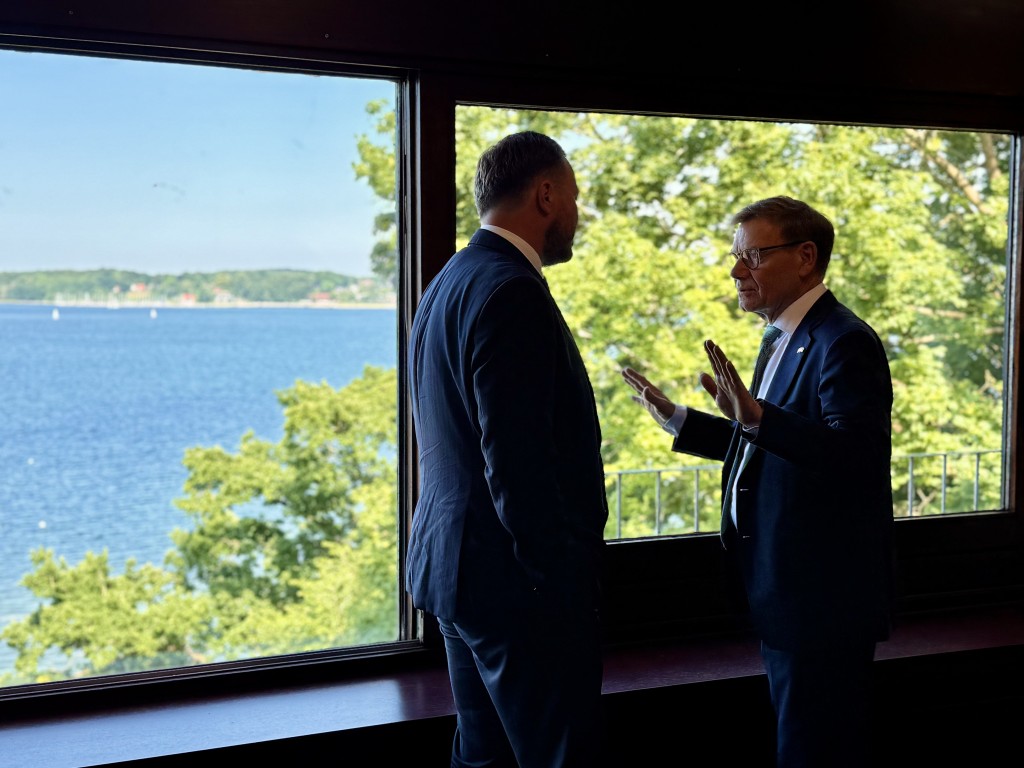
During the meeting, the Foreign Minister noted that Estonia highly values Germany’s contribution to the security of Europe and NATO’s eastern flank. “Germany and Estonia share a similar understanding of the security situation in Europe and recognise the need to deter Russia as the greatest threat through increased defence investment and by maintaining unity among NATO Allies,” Tsahkna said. “This year, Estonia and Germany mark the 105th anniversary of diplomatic relations, and it is particularly significant that, in the same year, the German-Netherlands Corps will assume primary responsibility within NATO for the defence arrangements covering Estonia and Latvia.”
Speaking about preparations for the NATO Summit in Ankara in early July, Tsahkna emphasised the need for all Allies to move towards spending 5% of GDP on defence, while also ensuring that increased defence investment translates into real military capabilities.
The meeting also focused on further support for Ukraine and additional measures to increase pressure on Russia to end the war.
“Ukraine’s deep-strike operations against Russia, combined with stronger Western sanctions, have left Russia in a weakened military, economic and political position. Europe must now continue supporting Ukraine and increasing pressure on Russia until it changes course,” said Tsahkna. “Europe must remain firmly by Ukraine’s side, demonstrate strategic patience and avoid rushing into negotiations in which it assumes the role of a neutral mediator. As long as Russia has not abandoned its objectives, engaging in dialogue will not bring us any closer to a just and lasting peace.”
According to Tsahkna, it is important that the EU swiftly adopts a robust 21st sanctions package and continues advancing the process of EU enlargement.
As part of his visit to Germany, Foreign Minister Tsahkna also delivered a keynote address today at the Kiel Security Conference and participated in a panel discussion on European security and deterrence. He additionally met Daniel Günther, Minister-President of Schleswig-Holstein, with whom he discussed, among other things, opportunities to share Estonia’s experience as a successful digital society.
Tsahkna also met Annegret Kramp-Karrenbauer, former German Minister of Defence and Chair of the Konrad Adenauer Foundation.

