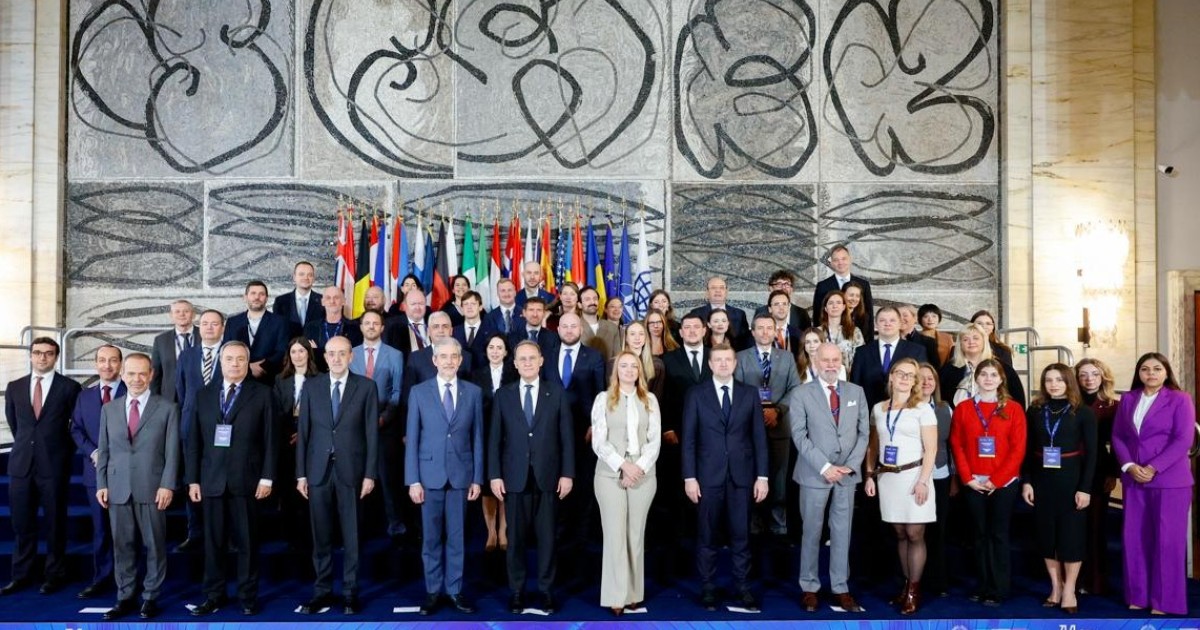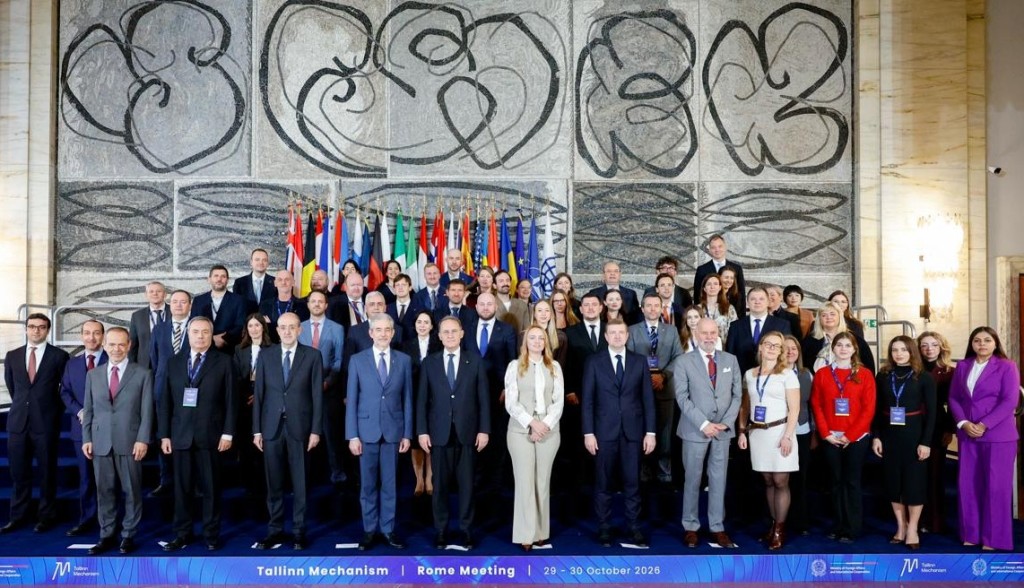
According to Helen Popp, the meeting reaffirmed the unwavering commitment of member states and observer countries to supporting Ukraine’s cyber resilience. “Russia’s war of aggression affects every aspect of life in Ukraine, and attacks continue in cyberspace as well. It is therefore extremely important to continue strengthening the cyber resilience of Ukraine’s civilian sector and to support the protection and development of the country’s critical digital infrastructure,” Popp said.
The meeting also formally approved Spain’s accession to the Tallinn Mechanism as its 15th member state. Japan was also officially granted observer status. At the invitation of Italy, the Mechanism’s current chair, eight countries attended a Tallinn Mechanism meeting for the first time and expressed interest in becoming members in the future. “Spain’s accession confirms the Mechanism’s international significance and central role in the multifaceted cooperation to support Ukraine. It also demonstrates the Mechanism’s ability to engage an increasing number of countries that wish to make a concrete contribution to strengthening Ukraine’s cyber resilience,” Popp stressed.
The discussions focused on the need to make the Tallinn Mechanism’s work more consistent, efficient and effective, particularly in implementing projects. The importance of public-private cooperation was also emphasised, and several companies and other project implementers shared their experiences, lessons learnt and expectations for future cooperation. “The private sector’s contribution to the joint efforts of the Mechanism is critically important for rebuilding Ukraine and creating a better future for Ukrainians,” the Special Envoy for Digital and Cyber Diplomacy stressed.
One discussion, for example, looked at the challenges faced by Ukrainian public sector institutions in restoring the operation of information and communications technology infrastructure damaged by cyberattacks, drawing on projects implemented in Ternopil and Odesa. Member states and observer countries were encouraged to support similar projects at regional level.
This year, more than €32 million has been allocated to cyber support for Ukraine through Tallinn Mechanism projects, of which approximately €700,000 has been contributed by Estonia. Estonia plans to provide a larger amount in 2027.
On 1 July, Italy took over the rotating chairmanship of the Tallinn Mechanism, also known as the lead country role, from the United Kingdom. Italy will lead the Cyber Support Working Group until the end of December this year. The meeting announced that Finland and Norway will become the Mechanism’s lead countries in the first quarter of next year.
The Tallinn Mechanism is a framework established by Estonia and its Allies to amplify the cyber support of donor countries for Ukraine’s civilian sector.