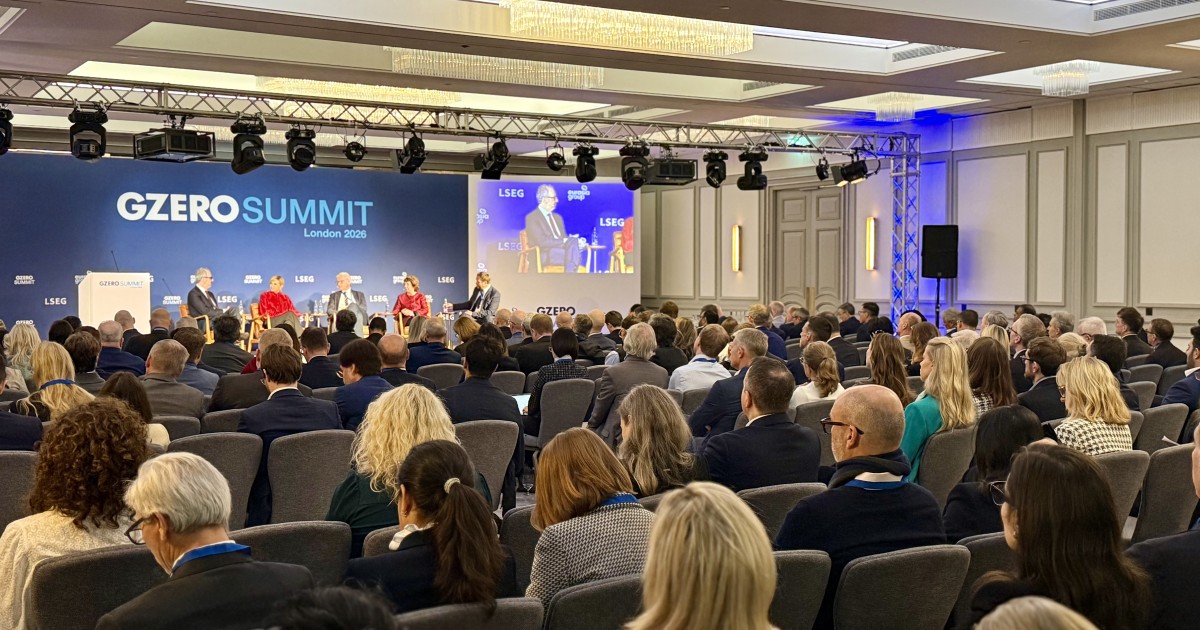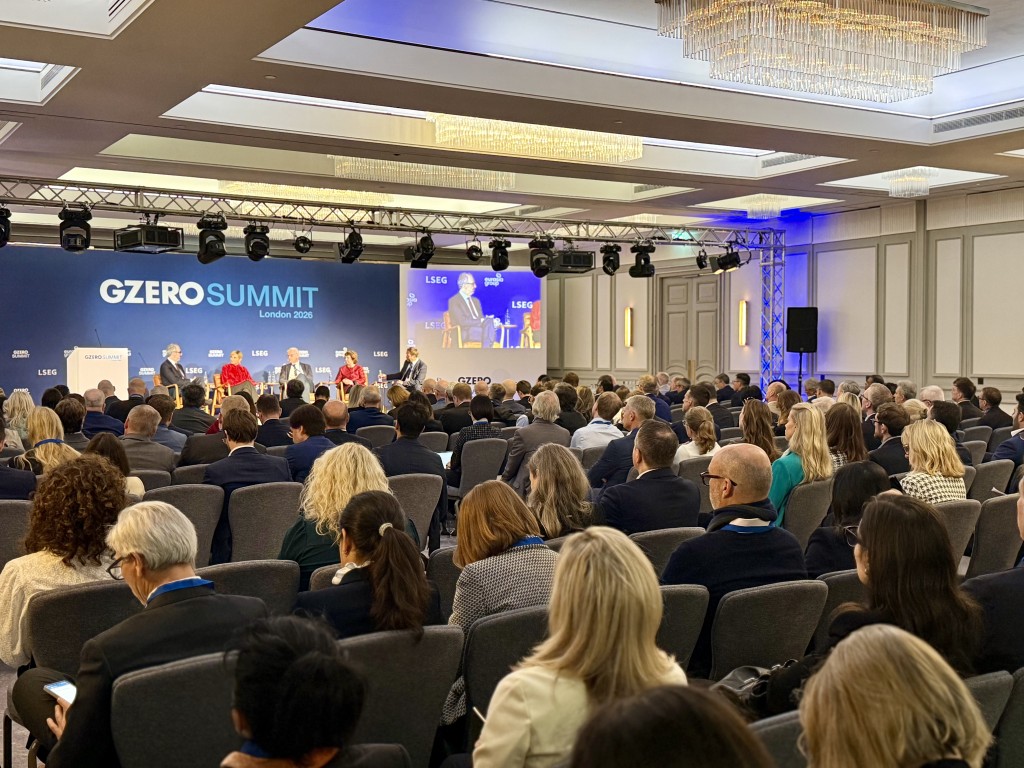
At the GZERO Summit, Tsahkna discussed the future of Europe with Catherine Ashton, Carl Bildt and Kolinda Grabar-Kitarović. According to the Foreign Minister, Russia’s aggression should have received a decisive response as early as after the 2008 war in Georgia.
“Concessions to Russia will not bring peace. Russia’s aim is not merely to seize some Ukrainian territories, but to change the entire European security order. We must ensure that Ukraine succeeds and that Russian aggression cannot happen again. To achieve this, Ukraine needs firm security guarantees and a place in the European Union and NATO,” Tsahkna said. He added that a strong Ukraine with an experienced military will itself make an important contribution to European security.
At a discussion held at the renowned RUSI think tank, Tsahkna focused on the threat posed by Russia and NATO’s collective defence. According to him, there are currently no indications of an imminent threat of conventional war against European countries, as Russia’s main military effort is focused on Ukraine and NATO’s defence and deterrence capabilities are stronger than before. At the same time, the threat of Russian sabotage and influence operations persists.
“Putin wants to sow fear, divide our societies and weaken support for Ukraine. In the case of acts of sabotage, those who ordered and carried them out must be identified and exposed in order to deter both the Kremlin and those carrying out its orders,” the Foreign Minister stressed. He also called for restrictions on the issuance of visas to Russian citizens and for measures to prevent Russian combatants who have fought against Ukraine from entering Europe.
Yesterday, Foreign Minister Tsahkna met with the UK Foreign Secretary, with whom he discussed support for Ukraine and defence cooperation between Estonia and the United Kingdom.