
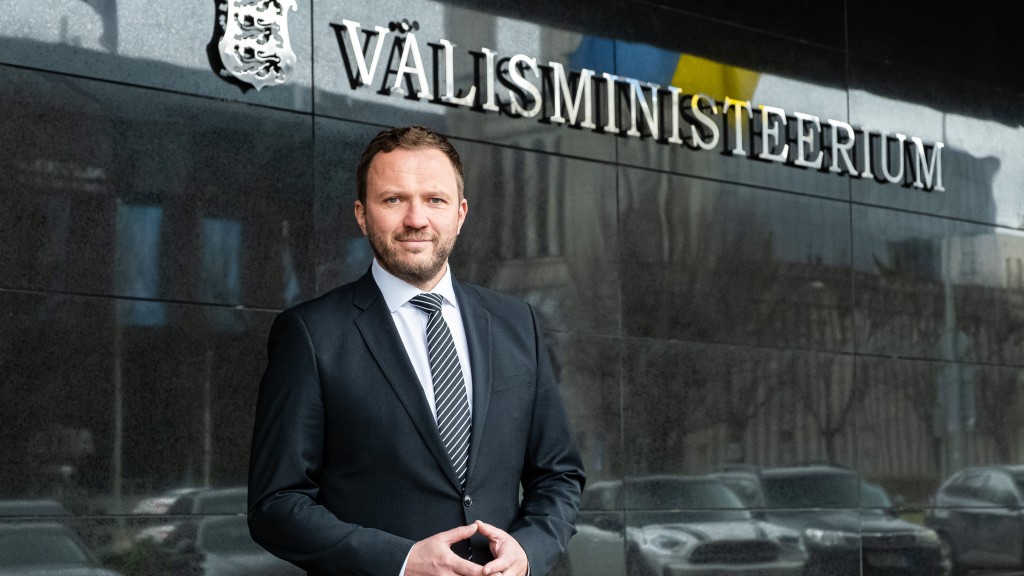
“Estonia demonstrated that even in very difficult and dangerous circumstances we are capable of carrying out a complex operation to bring our citizens home—not relying on others for help but also assisting other countries ourselves,” said Foreign Minister Margus Tsahkna. “Yesterday evening the final special flights brought our citizens back home, and we currently have no plans to organise additional ones.”
Tsahkna added that regular commercial flights are gradually resuming, and Estonian citizens who may wish to leave are also being placed on special flights organised by other countries. For example, Estonian citizens have been able to leave on special flights organised by Austria, Lithuania, Cyprus, Luxembourg and the Czech Republic.
“Since other countries have helped bring our people home, we have also offered a limited opportunity for other EU citizens to obtain seats on our special flights. With our assistance, citizens of Finland, Sweden, Iceland, Latvia, Lithuania, Norway, Germany, Ireland, the United Kingdom and Romania have also returned home.”
“Part of the costs of organising these special flights can also be covered by European Union funding, as Estonia activated the EU Civil Protection Mechanism (UCPM) for the first time in the consular field, which enables EU co-financing for organising assisted departures for citizens,” said Tsahkna.
“We have organised seven special flights to bring our people home, and in rapidly changing circumstances this has not been easy,” Tsahkna said, stressing that Estonia does not leave its people behind. “This was a very complicated situation both from a security perspective and because there were no flights leaving the region that people could use to depart on their own.”
“We have brought 1,084 people out of the region, and this figure does not include the infants,” said Tsahkna. “Among them are Estonian citizens, their family members with another citizenship, and also citizens of the European Union.”
“I would like to sincerely thank our partners Novatours, Estravel, AirBaltic, Heston Airlines and FlyDubai for helping ensure that Estonian people returned home safely or are on their way home,” he said.
“I also extend my sincere thanks to all Estonian travellers in the Middle East for their patience, understanding and quick response,” Tsahkna added.
The Ministry of Foreign Affairs is personally assisting Estonian citizens and their family members with Estonian residence permits currently in Qatar, Saudi Arabia, Oman, Bahrain, Jordan and Kuwait to return home. Approximately 400 people remain in the region, including around 300 in the UAE, about 30 in Qatar, around 10 in Saudi Arabia, about 35 in Oman and about 10 in Israel.
“These are the people who have informed us of their situation,” said Tsahkna. “I ask everyone who is still in the region and has not yet done so to notify us through the Ministry of Foreign Affairs’ Reisi Targalt (Travel Smart) website.”
“Some Estonian citizens and their family members have not expressed a wish to leave the Middle East region on special flights and are waiting for regular flights to resume,” Tsahkna said. “For others, we are trying to find seats on special flights organised by other countries, and we remain in contact with them.”
According to Tsahkna, the total cost of organising the special flights will become clear in the coming days. “We are still calculating the costs and will also take into account the UCPM funding, which will cover part of the expenses.”
All Estonian citizens currently in the Maiddle East region who have not yet registered their stay are asked to do so on the Ministry of Foreign Affairs website.
If necessary, assistance is available by emailing [email protected] or calling the 24/7 emergency phone line +372 5301 9999.
Information is continuously updated on the web consul page of the Ministry of Foreign Affairs and on the ministry’s website www.vm.ee.

