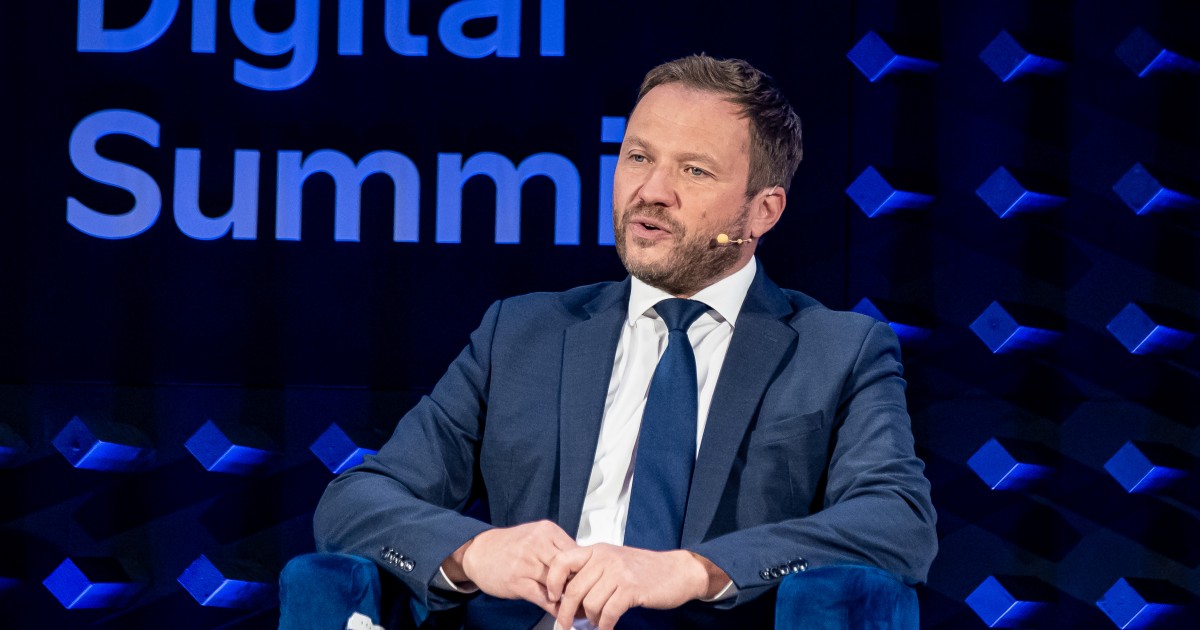
According to Foreign Minister Margus Tsahkna, enlargement is one of the most important strategic investments in Europe’s common security, stability and prosperity.
“Enlargement is important not only for the candidate countries, but also strengthens Europe as a whole and all current member states. The larger and more united the European Union is, the stronger our voice in the world and the better able we are to defend our values and interests. We must therefore start preparing for the admission of new members now,” Tsahkna said.
Preparing for enlargement requires a review of the EU’s decision-making processes, budget and policy areas. However, Estonia believes this must not lead to any substantive changes to the principles governing the Union’s leadership and decision-making. It is important to preserve the equal participation of all member states in decision-making, including the principle that the European Commission should have a commissioner from every member state. In foreign and security policy, Estonia continues to support the principle of unanimity, but does not consider it necessary to require consensus in areas where the EU Treaties allow decisions to be taken by qualified majority.
Estonia considers it important to strengthen the protection of democracy, the rule of law and human rights in an enlarged Union and stresses that all member states are obliged to uphold the principle of sincere cooperation. Gradual integration must also require candidate countries to continue aligning themselves with EU values and principles.
Estonia supports including stronger safeguard clauses in future accession treaties in cases where a new member state backtracks on its commitment to uphold EU values, rules and standards. Such measures must be time-limited and proportionate to the nature, severity and impact of the shortcomings identified, and must not go beyond what is necessary to address them.
As regards the EU budget, Estonia supports the preparation of country-specific plans for candidate countries that would link reforms and investment to the disbursement of funds. Estonia is also cautious about introducing possible transitional arrangements in the areas of the free movement of workers and services, agriculture, sensitive products, funding, and participation in common systems and networks.