
“More than one million Russian citizens have fought against Ukraine in Russia’s ranks,” Tsahkna said. “They include convicted criminals sent from prisons to the front line, as well as individuals with clearly hostile attitudes towards Europe.”
Tsahkna stressed that their potential travel to the Schengen area, or settling here, poses both a criminal and a security threat, as former fighters represent a suitable recruitment pool for Russian special services and can be used for sabotage, subversive activities and involvement in organised crime on European soil.
“Individuals who have taken part in Russia’s war of aggression against Ukraine have no place in a free Europe. We have a duty to protect the security of our people and our society, and therefore a unified ban must be introduced on the issuance of Schengen visas and EU residence permits to all those who have fought for Russia,” Tsahkna said.
“Such a step also carries an important political message about raising the cost of aggression – taking part in a war of aggression has concrete long-term consequences. This is an important step in ensuring Europe’s long-term security,” Tsahkna stressed. “I will raise this need at the next meeting of EU foreign ministers at the end of January and in my upcoming bilateral meetings with European foreign ministers.”
Foreign Minister Tsahkna: the Schengen entry ban must be extended to all Russian fighters
14.01.2026 | 15:21
Gallery
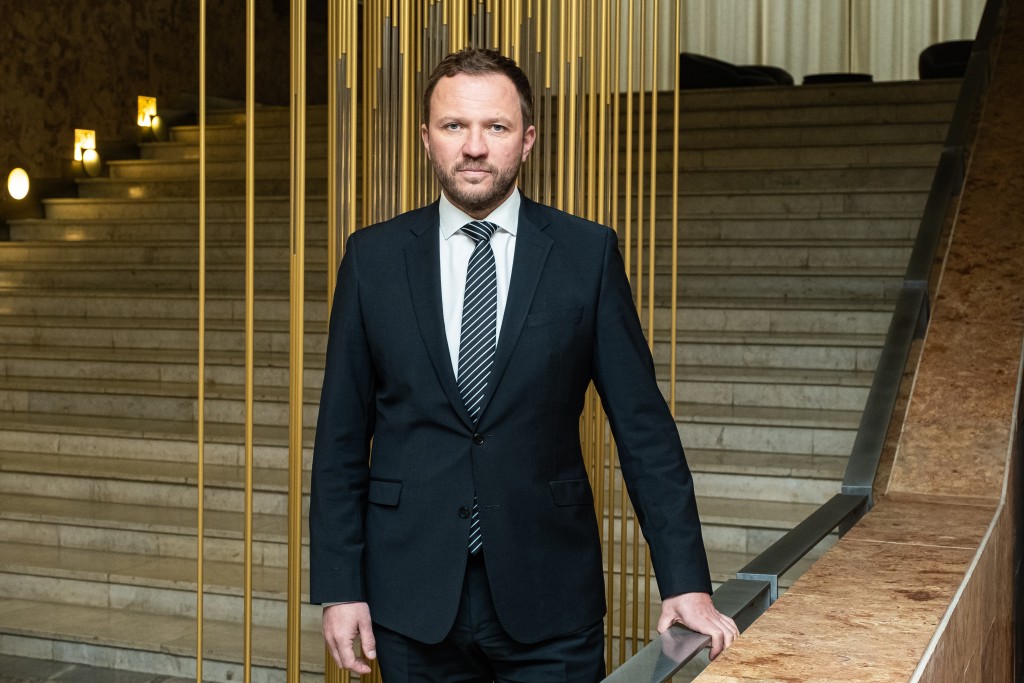
Last week, Estonia imposed a permanent entry ban to the Schengen area on the first 261 fighters of Russia’s aggressor forces who have taken part in the aggression against Ukraine. Estonia’s aim is for the Schengen ban to be extended to all those who have fought for Russia in Ukraine, and for countries to strengthen cooperation in this regard.

